Japanese Matcha Sourcing Guide:
Grades, Quality Science & Channel Strategy for B2B Buyers
What separates a $12/kg matcha from a $200/kg matcha — and how to match the right grade to your sales channel. A data-driven sourcing framework for distributors, café suppliers, and food-service buyers.
The global matcha market has moved far beyond niche tea shops. Matcha lattes are a permanent fixture on café menus across North America, Europe, and Australia. Matcha-flavored products — from protein bars to craft cocktails — are expanding across food-service and retail shelves. For B2B buyers, the opportunity is clear. The challenge is sourcing with precision: understanding what actually determines quality, matching the right grade to your channel, and verifying claims before committing to inventory.
This guide consolidates the core science behind matcha quality and translates it into an actionable buying framework — built for distributors, specialty-food importers, café ingredient suppliers, and food manufacturers who need to make informed procurement decisions.
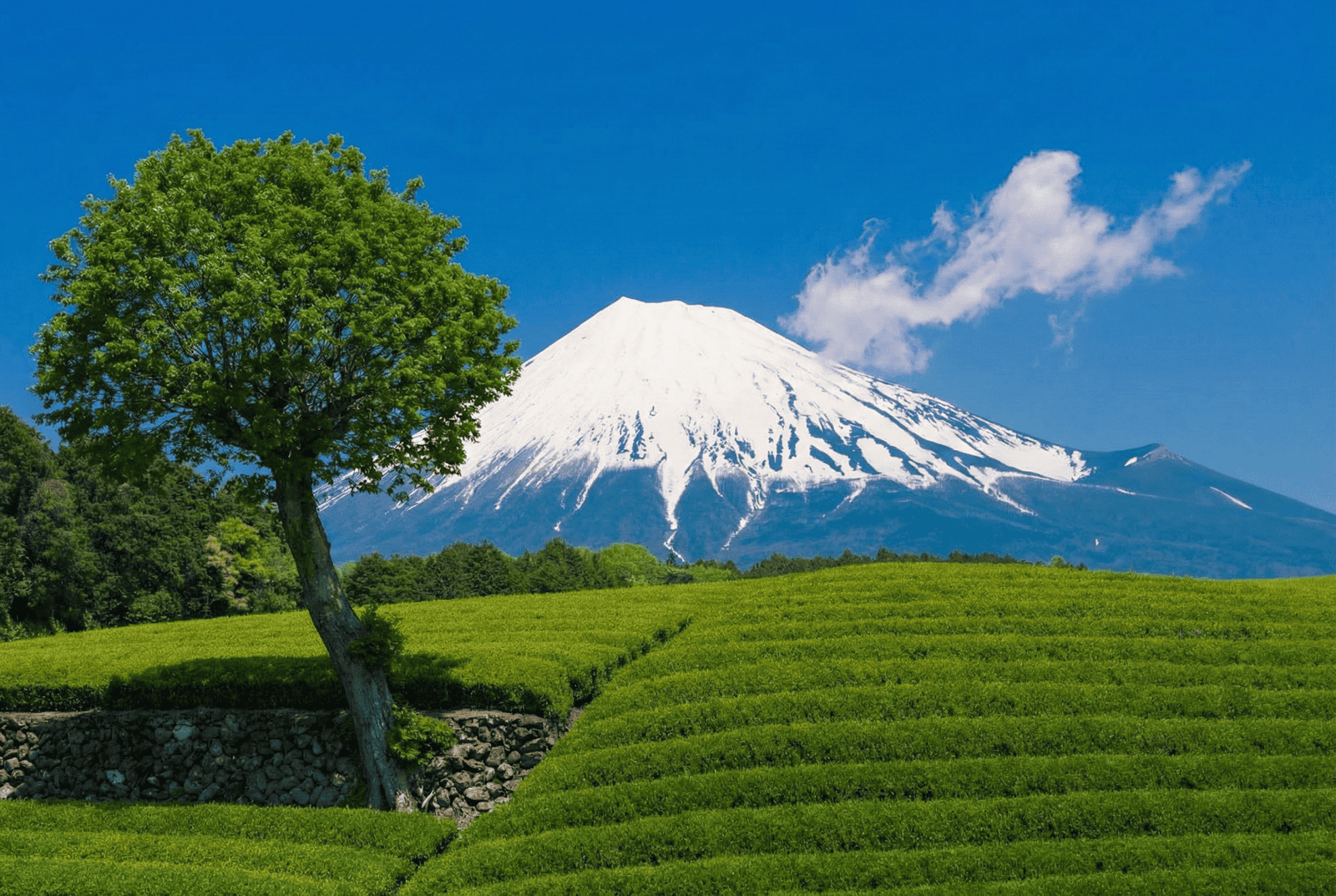
I. Why Matcha — the Whole-Leaf Advantage
Unlike conventional steeped green tea, matcha delivers the entire tea leaf in powdered form. Your customer doesn't discard spent leaves — they consume 100% of both water-soluble and fat-soluble compounds: amino acids, catechins, chlorophyll, dietary fiber, and minerals. Research shows this whole-leaf model delivers up to 3× more total catechins than brewed green tea.
For B2B buyers, this whole-leaf story is the foundation of every downstream marketing claim your retail or food-service clients will make. It is also the reason matcha commands a significant price premium over commodity green tea powder — and why that premium is defensible to end consumers.
No additives, no extracts. Pure matcha is one ingredient on the label. This is a major advantage in markets where clean-label demand is driving purchasing decisions in retail and food-service.
Matcha offers a clinically documented "calm focus" effect — 3–6 hours of sustained energy without jitters. This unique positioning lets your clients differentiate from coffee alternatives.
A single matcha SKU can serve café menus (lattes, shots), retail shelves (tins, sachets), food manufacturing (ice cream, baked goods), and nutraceutical applications.
II. What Actually Determines Matcha Quality
The terms "ceremonial grade" and "culinary grade" are Western marketing constructs — no Japanese agricultural authority recognizes them as official standards. Quality is determined by three measurable, physical factors that no amount of label redesign can fake:
Blocking sunlight forces the plant to increase L-theanine (umami) by up to 140% while suppressing bitter catechins. Honzu (traditional reed & straw) is the gold standard; Jikagise (direct cover) is the budget method.
Just as grape variety determines wine character, the cultivar sets matcha's flavor DNA. Premium cultivars (Asahi, Gokou, Samidori) are bred for shade-tolerance and intense umami. Yabukita — 70–75% of all Japanese tea — is rarely used for premium matcha.
Traditional granite mills produce only 20 g/hour, keeping temperatures low enough to preserve amino acids and chlorophyll. Ball-milled or jet-milled alternatives are faster but produce coarser particles (15–25 μm) with more friction heat damage.
Key Cultivars — a Buyer's Reference
Disclosing cultivar origin is a strong quality signal. Mass-market matcha rarely names the cultivar because it is blended from lower-cost varieties. Here are the five cultivars you are most likely to encounter in sourcing:
| Cultivar | Flavor Profile | Commercial Application |
|---|---|---|
| Asahi | Razor-sharp umami, elegant cocoa and floral notes. Extremely limited yield. | Competition-grade koicha. Rarest and most prized. Premium retail positioning. |
| Gokou | Deep, creamy, almost buttery with oceanic sweetness. Exceptional shade-tolerance. | Backbone of luxury blends. Near-zero bitterness at any concentration. |
| Samidori | Velvety smooth, refined umami with natural sweetness and captivating fragrance. | Uji's most-planted tencha cultivar. Excellent solo or in premium blends. |
| Saemidori | Stunning neon-bright green. Lighter flavor depth but exceptional color impact. | Color-improvement blending. Visually striking lattes and retail presentation. |
| Yabukita | Standard green tea taste — balanced but unremarkable for matcha. Grassy, slightly woody. | Workhorse for commercial/culinary grade. Cost-effective food manufacturing. |
III. Grade Breakdown — Specs That Matter for Procurement
While "ceremonial" and "culinary" are not official Japanese terms, they have become useful shorthand in international trade. Here is what each grade generally means at the procurement level — with the measurable specifications you should be verifying:
IV. The Bioactive Profile Your Customers Care About
Whether your downstream clients are café operators, health-food retailers, or food manufacturers, they are selling matcha on the back of specific health claims. Understanding the science behind these claims helps you source products that actually deliver — and avoid products that underperform.
L-Theanine + Caffeine: The Core Differentiator
Matcha's single most marketable advantage over coffee is the L-theanine & caffeine synergy — clinically documented "calm alertness" without the jitters or crash. L-theanine (~30–45 mg per 2 g serving) crosses the blood-brain barrier, promoting alpha brain-wave activity (relaxed focus), while caffeine (~70 mg per 2 g serving) enhances alertness. Together, they produce a gradual 3–6 hour energy curve instead of the sharp spike-and-crash of coffee.
A systematic review published in Cureus (2022) analyzing five RCTs concluded the L-theanine–caffeine combination is "likely a safe and effective cognitive enhancer," demonstrating improvements in sustained attention, inhibitory control, and decreased mind-wandering.
EGCG & Antioxidant Position
High-quality matcha typically contains 5.9–7.1 g of EGCG per 100 g of dry powder, with total polyphenols at approximately 30% of dry weight. This makes matcha one of the most concentrated natural sources of epigallocatechin gallate. For buyers serving the health-food and wellness channel, EGCG content is a key talking point — but be aware that culinary-grade matcha often contains higher total catechins than ceremonial grade, because leaves receive more sunlight during growth.
Bioactive Profile at a Glance (per 2 g serving)
| Compound | Amount | Downstream Claim Value |
|---|---|---|
| Caffeine | ~70 mg | Sustained energy — slow-released via 38.5% fiber matrix |
| L-Theanine | 30–45 mg | Calm focus, alpha brain-wave activity, stress reduction |
| EGCG | ~130 mg | Most potent tea antioxidant — neuroprotective, metabolic support |
| Chlorophyll | ~10 mg | Visual quality indicator + detoxification narrative |
| Dietary Fiber | ~0.77 g | Gut health, caffeine slow-release mechanism |
| Vitamin K | ~58 μg | Bone metabolism & cognitive support |
V. Grade × Channel Matrix — Matching Product to Market
The most expensive mistake in matcha procurement is grade misallocation — buying premium product for applications that don't need it, or underspecifying for channels that do. The following framework maps grade to channel based on both sensory requirements and cost efficiency:
VI. Quality Verification — What to Check Before You Buy
In a market where "ceremonial grade" has no legal definition, verification is the buyer's responsibility. Here is a practical framework for evaluating any matcha sample:
Sensory Assessment (No Lab Required)
Quality matcha is vivid, luminous emerald green. Dull khaki, yellowish, or brownish tones indicate poor shading, old stock, or oxidation. In CIELAB color science, top-grade matcha scores a* values between −14 and −18 (green axis) and L* above 60 (brightness).
Visual · ImmediateFresh matcha smells intensely green with natural sweetness reminiscent of roasted nori. Dusty hay or stale warehouse notes = old stock or poor-quality leaves. The aroma should be immediate and inviting upon opening the package.
Olfactory · ImmediateWhisk 2 g in 70 ml of 80°C water. High-quality matcha delivers a full umami wave, gentle sweetness, and a clean lingering finish. Harsh bitterness gripping the throat indicates poor shading, late harvest, or rough processing.
Taste · 2 minutesRub a small amount between thumb and forefinger. True stone-ground matcha feels like silk or fine cosmetic powder — impossibly smooth, zero grit. Cheap matcha or regular green tea powder feels sandy and leaves friction on your skin.
Touch · ImmediateCertificate of Analysis (CoA) — What to Request
Beyond sensory assessment, any serious supplier should provide lab documentation. Here are the key parameters to verify:
| Parameter | Specification | Why It Matters |
|---|---|---|
| Lead (Pb) | < 2.0 ppm | Regulatory compliance (EU, FDA, FSANZ) |
| Arsenic (As) | < 1.0 ppm | Heavy metal safety for whole-leaf consumption |
| Total Plate Count | < 3,000 CFU/g | Microbial safety |
| Pesticide Residue | Compliant with EU MRL | EU has the strictest global standards; compliance covers most markets |
| L-Theanine Content | > 15 mg/g (ceremonial) | Validates shade-growing claims and functional quality |
| Color (CIELAB a*) | Below −14 (ceremonial) | Objective measure of chlorophyll content and freshness |
VII. Storage, Shelf Life & Handling for Distribution
Matcha's bioactive compounds — especially chlorophyll and L-theanine — are highly sensitive to four degradation vectors: light, heat, oxygen, and moisture. For distributors and food-service suppliers, this means cold-chain and packaging integrity directly affect the product your customers receive.
UV radiation triggers pheophytinization of chlorophyll within hours, shifting color from emerald green to dull olive-brown and reducing both visual appeal and bioactivity.
Heat accelerates oxidation of polyphenols and amino acid degradation. Unopened matcha stores well at 0–5°C. In Japan, premium tencha is stored unground in cold rooms and milled fresh to order.
Oxygen irreversibly oxidizes both volatile aroma compounds and EGCG. Moisture triggers clumping and microbial growth. Nitrogen-flushed packaging at sealing eliminates headspace oxygen.
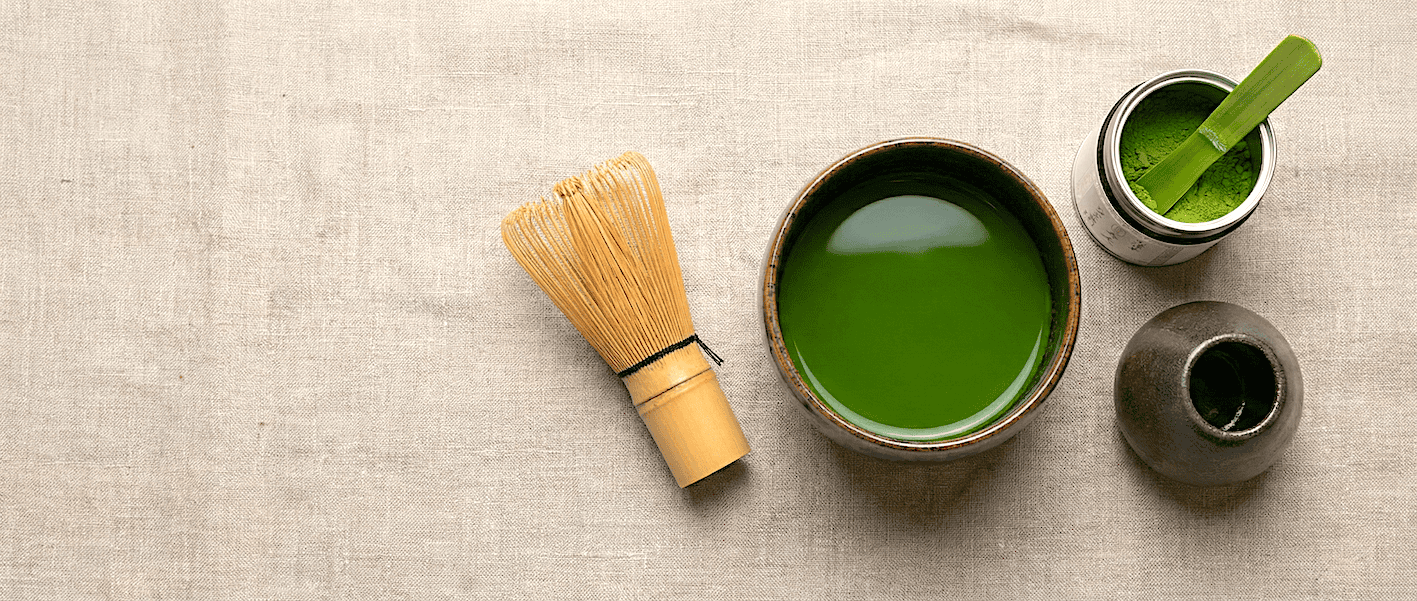
VIII. Japanese Processing vs. Alternatives — Why Origin Matters
Buyers will encounter matcha and "matcha-style" powder from multiple origins. The key processing difference that defines Japanese matcha is steam fixation (high-temperature steam to halt oxidation), which preserves chlorophyll and keeps pheophytin conversion below 30%. Chinese green tea powder typically uses pan-firing, which generates higher contact heat, resulting in pheophytin conversion exceeding 50%, less chlorophyll, different flavor profiles, and lower levels of heat-sensitive L-theanine.
For B2B buyers, the origin question is ultimately a market positioning question: your downstream clients in the café and specialty retail channels are marketing "Japanese matcha" specifically. Japanese origin, with its established quality associations, supports premium pricing. If your sourcing does not match the marketing claim, the entire value chain has a credibility problem.
Summary — an Actionable Sourcing Checklist
The matcha sourcing decision, distilled:
- Define your channel mix first. The grade you need depends entirely on the end application — café lattes, retail tins, food manufacturing, or wellness supplements.
- Match grade to channel. Ceremonial for pure-drinking applications, premium for milk-based and daily-use, culinary for food production. Misallocation wastes margin.
- Verify with data, not labels. Request CoA, ask for cultivar and harvest details, conduct sensory evaluation. "Ceremonial" on a label means nothing without supporting evidence.
- Understand the bioactive profile. L-theanine content validates shade-growing quality. EGCG content validates antioxidant claims. The CE/TA ratio predicts the "calm focus" experience.
- Protect the cold chain. Matcha quality degrades measurably with exposure to light, heat, oxygen, and moisture. Packaging and storage decisions are quality decisions.
- Confirm Japanese origin. If your market positioning is "Japanese matcha," your supply chain must verifiably support that claim.
Ready to Source Japanese Matcha?
From single-cultivar ceremonial matcha to bulk culinary powder for food manufacturing — tell us your channel and volume requirements, and receive a tailored sourcing proposal with samples.
Request Samples & Pricing →- Unno K, et al. “Stress-Reducing Function of Matcha Green Tea in Animal Experiments and Clinical Trials.” Nutrients, 2018;10(10):1468.
- Sohail AA, et al. “The Cognitive-Enhancing Outcomes of Caffeine and L-theanine: A Systematic Review.” Cureus, 2021;13(12):e20828.
- Sakurai K, et al. “Effects of Matcha Green Tea Powder on Cognitive Functions of Community-Dwelling Elderly Individuals.” Nutrients, 2020;12(12):3639.
- Horie H, et al. “Comparison of the chemical components of powdered green tea sold in the US.” JARQ, 2018;52:143–147.
- Unno K, et al. “Stress-reducing effect of cookies containing matcha green tea: Essential ratio among theanine, arginine, caffeine and EGCG.” Heliyon, 2019;5(5):e01653.